
How To Choose An Instructor
Finding the Right Dog Trainer for You
Why Choosing the Right Trainer Matters
Since 1965, the National Association of Dog Obedience Instructors (NADOI) has certified professionals of all styles who meet their rigid criteria for quality.
Searching for the right dog trainer can seem like a daunting task for many. The options can seem dizzying, certification abbreviations may confuse, and sometimes behavioral jargon is lost on average owners just seeking better control and a better relationship with their pet.
Often, articles that offer advice on trainer selection are biased, toting one method over another, writing off an entire style and the myriad of potentially outstanding professionals that may utilize it.
Does certification matter?
Dog training is an unregulated industry. Absolutely anyone can call themselves a dog trainer, hang out their shingle, and take your money - qualified or not. It seems a good idea to go with a "certified dog trainer." Unfortunately, not all certifications are equal.
Some are difficult, requiring lengthy essays, case studies, and video of the trainer at work to be reviewed by a board. Some are only written exams, while others are paid for through online-only training courses, and given without anyone seeing the applicant actually work with a dog or an owner.
NADOI certification is a lengthy process in which a professional must exhibit not only their skill as a trainer, but their success in teaching owners as well. Each application is individually reviewed by the membership board, who votes as a whole to accept or decline that application. As a nonprofit organization dedicated to upholding a high industry standard, becoming a Certified Member of NADOI is not something one may simply purchase.
What about a trainer who has earned training titles?
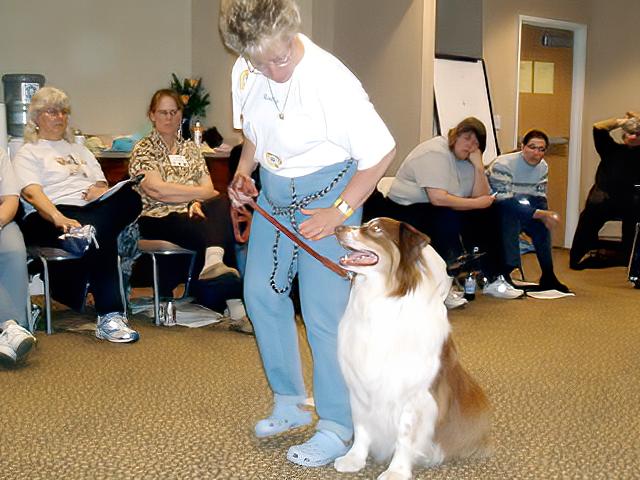
If your goal is earning a certain title or degree, working with a trainer who has earned them is, in my opinion, necessity. What if you aren't interested in titling your dog? Chances are, you just want your pet to behave. Should you care about titles?

Yes and no. If your dog pulls you on walks and doesn't come when called, a trainer who's titled in obedience, and whose clients have been equally successful, will likely serve you well. Their skills in obedience training have been proven in a fresh, highly distracting venue, judged by a qualified and unbiased third party, and can often be an alternative to certifications for some trainers. However, there are also many excellent pet dog trainers who do not compete in any venue but have impressive skills with the average family dog.
Dog training is a broad field with many specializations. NADOI encourages their members to learn from one other via their excellent resources for members, from seminars and speakers at their national gathering, to a vast training article anthology, and more.
Reputation and referrals
Now we come to the greatest resource for professionals themselves: reputation and referrals. Here's where you must start paying close attention. Many seasoned trainers care little for titles or certification, but are still outstanding at what they do. It stands to reason a trainer who has done great work for 10, 20, or 30 years will have an excellent reputation among local vets, groomers, breeders, and average owners.
Has no one ever heard of the trainer you're considering? Not so much a whisper of a footprint anywhere online? This could be the sign of a novice who may or may not have the experience to effectively train you or your dog.
Read reviews online, but read them with a grain of salt. Dog training is an emotionally charged subject, so it's not uncommon to see multiple glowing reviews next to multiple poor ones. What that should tell you is that trainer's style may be perfect for you, or completely wrong for you. Some styles are highly polarizing among the entire dog community. It's becoming more common to see trainers publicly denouncing one another and leaving false reviews, a practice the NADOI code of ethics strictly prohibits. When you work with a NADOI Certified Member, you will be working with a professional who values sharing their knowledge with you over maligning other local trainers.
Method considerations
While method is an important consideration, more so is the quality of that method's execution. Read up a bit, get an idea of how you want to train, but keep an open mind. You may not want to train with food, but there could be a stellar trainer in your area who can help you reach all your goals who does.
You may be horrified with the idea of a training collar until you see how happily a local balanced trainer's students all work. Pushing yourself out of your comfort zone may help you and your dog attain a higher level of training than you previously imagined possible.
What to ask when contacting a trainer
After all this, you think you have a trainer you want to try, so you contact them. How engaging is your trainer? Do they answer your questions fully and kindly without condescension? Do they ask you questions about your dog, gathering as much information as possible?
Do they spend more time denigrating other trainers and different methods than they do explaining what they can do themselves?
Has your trainer taken the necessary steps to run a legitimate, legal business? Do they require proof of shot records before training? Are they insured? All questions to strongly consider.
Does this trainer invest in themselves, continuing to grow in their knowledge to pass along to their clients? NADOI encourages this self-investment, and offers a "continuing education" distinction to Certified Members who spend a certain numbers of hours in classes, seminars, workshops, etc.
Observing a trainer
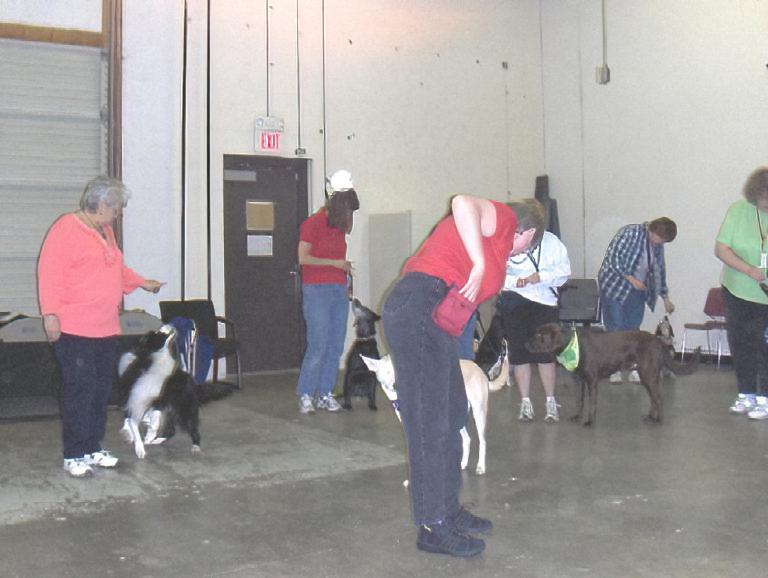
Depending on the services offered, you may have the opportunity to observe a trainer at work, in person or in video. Perhaps the dog you see with it's tail tucked at heel was so nervous in previous sessions it could not walk on a lead at all- or perhaps the trainer is confusing the dog. Sometimes, dogs will show signs of stress on the road to being a happier, more well adjusted dog.
If you see a concern, ask questions. Does the trainer acknowledge the signs of discomfort in the dog, and explain how they will eliminate them, or become defensive and short when questioned? At the end of a session, a dog should be in a better place not only behaviorally, but mentally and emotionally.
Final recommendations
Most important to remember, don't be shy to ask someone when you see a well behaved dog for the name of their trainer. Often, people are happy to discuss it or offer you a recommendation. Talk to your vet. Talk to your groomer. The finest trainers often come highly recommended from other trainers! It's not uncommon for them to see well-trained dogs come in over and over who've worked with the same local professional.
Training is a financial and time commitment. You owe it to yourself and your dog to do some legwork first.
Happy training!
Remember, finding the right trainer is an investment in your dog's future and your relationship with them. Take the time to research, ask questions, and find someone who aligns with your training philosophy and goals.
Ready to Find Your Perfect Trainer?
Use our comprehensive search tool to find NADOI certified instructors in your area.
Find a NADOI Certified InstructorBecome a Member